
The Vallee Foundation Announces 2026 Vallee Scholars
The Vallee Foundation is proud to announce the 2026 cohort of Vallee Scholars, a group of exceptional early-career investigators whose pioneering research spans evolutionary cell biology, bacterial immunity, antibiotic action, genome architecture, engineered immunity, gut tolerance, and blood stem cell biology. These scholars exemplify the Foundation’s mission to support innovative, curiosity-driven science with the potential to transform human health.
Corey Allard, PhD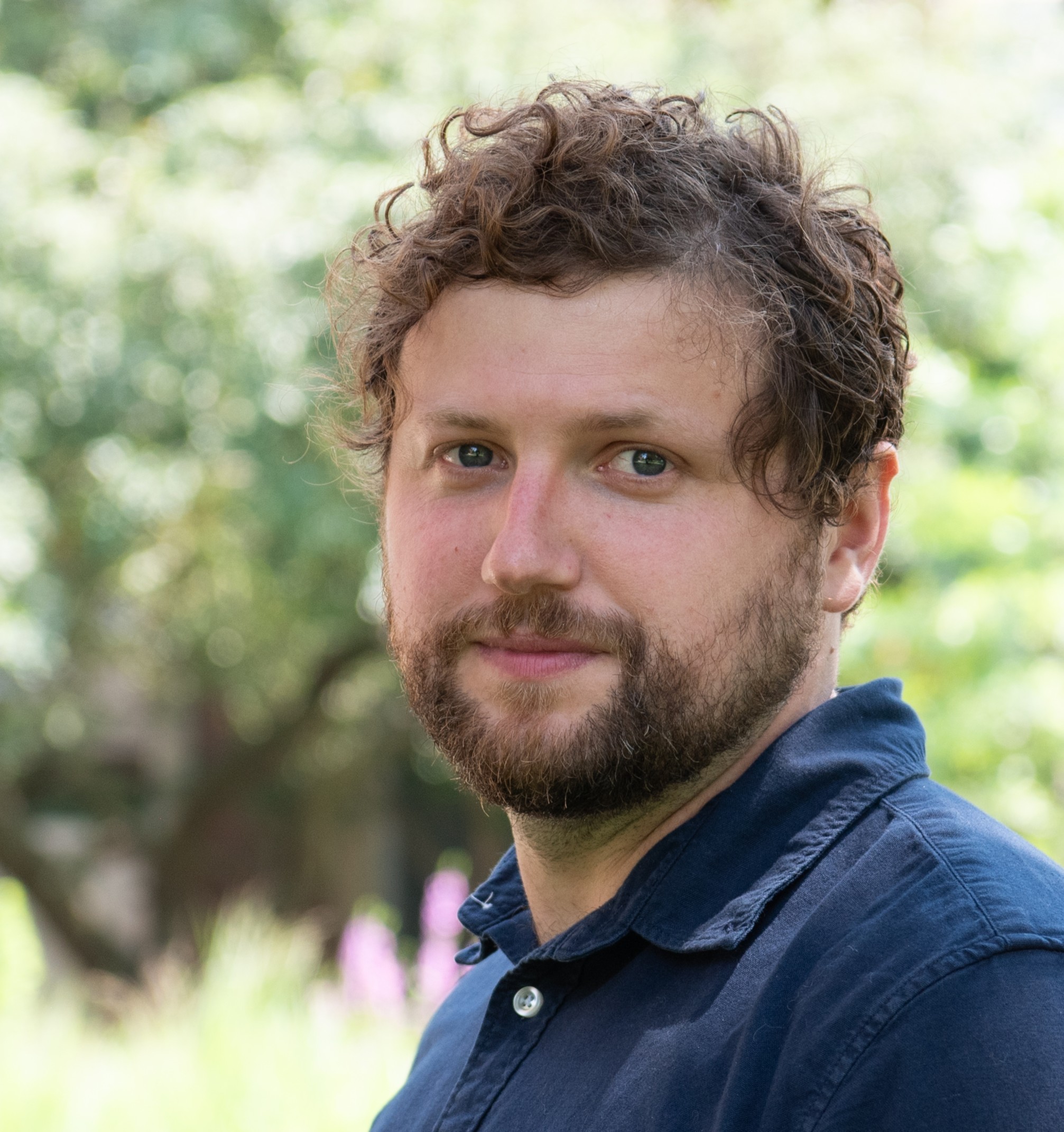
Assistant Professor, Cell Biology, Harvard Medical School
Mechanisms Governing Foreign Organelle Function in Animal Cells
Corey Allard investigates how evolution shapes cells and molecules to generate the remarkable diversity of traits and behaviors found in nature. His lab uses unconventional model organisms — including unusual fish, sea slugs, jellyfish, and cephalopods — to uncover fundamental principles of physiology and reveal how new biological traits emerge. Allard earned his BS from Northeastern University and his PhD from Dartmouth College, followed by postdoctoral training at Harvard University. He is a Pew Biomedical Scholar and a Klingenstein Fellow.
Allard Lab
Jack Bravo, PhD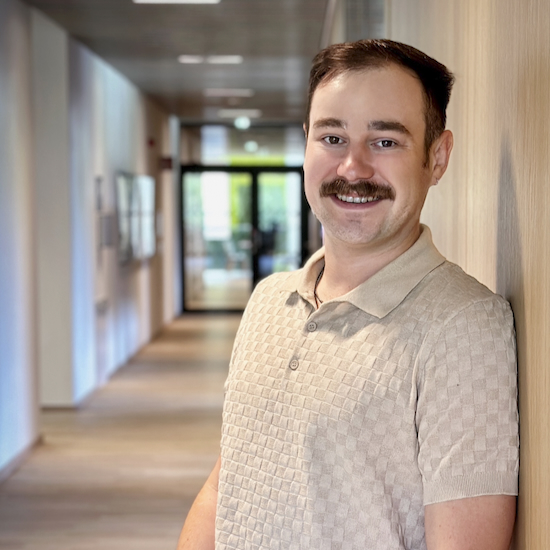
Assistant Professor, Bacterial Immune Systems, Institute of Science and Technology Austria (ISTA)
Self-Avoidance and Evolution of Anti-Plasmid Argonaute Immunity
Jack Bravo studies how bacterial immune systems achieve extraordinarily precise self/non self discrimination. His lab integrates cryo EM, quantitative biochemistry, and in vivo genomics to uncover molecular mechanisms that shape immune specificity and inform new biotechnological and antimicrobial strategies. Bravo earned his PhD from the University of Leeds and completed postdoctoral training at the University of Texas at Austin, developing kinetics guided approaches to CRISPR-Cas and other bacterial immune systems. He is also a FEBS Excellence Awardee.
Bravo Lab
Camille Goemans, PhD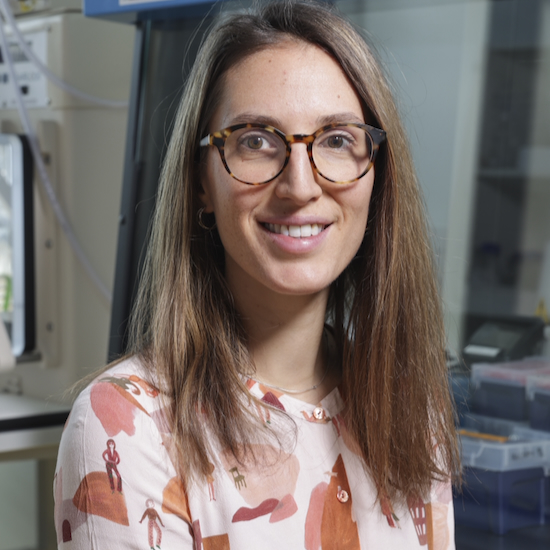
Assistant Professor, School of Life Sciences, EPFL
Blocking antibiotic resistance spread by targeting horizontal gene transfer
Camille Goemans investigates how antibiotics work across diverse bacteria, how resistance emerges, and how treatments can be improved. Her lab combines systems biology, molecular microbiology, bacterial genetics, and biochemistry to illuminate mechanisms that shape infection outcomes. Goemans trained at the de Duve Institute (Belgium) and EMBL, earning numerous honors including the FNRS Yourassowsky Award, the Christiane Nüsslein Volhard Foundation Award, Nature’s Global Grants for Gut Health Best Paper Award, and the L’Oréal/UNESCO For Women in Science Award.
Goemans Lab
Anders Sejr Hansen, PhD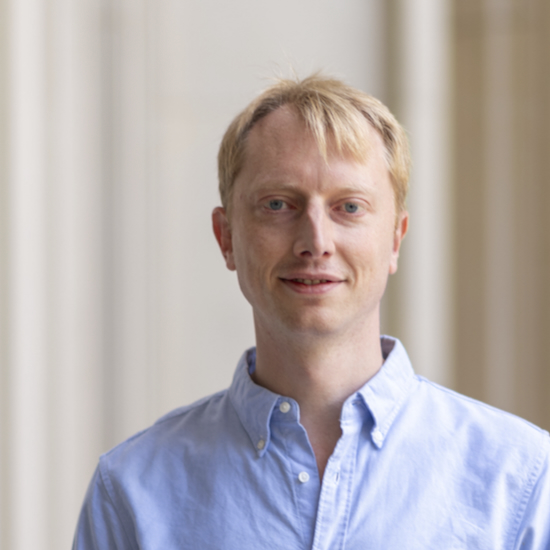
Associate Professor, Biological Engineering, MIT; Broad Institute; Koch Institute
Disentangling the 3D Genome Structure and Function using Synthetic Biology
Anders Sejr Hansen develops cutting-edge imaging and genomics technologies to understand 3D genome structure, chromatin looping, transcription, and protein dynamics in living cells, and how genome misfolding causes disease. His lab integrates super-resolution imaging, single-molecule tracking, high-resolution 3D genomics, and computational approaches. Hansen trained at Oxford, Harvard, and UC Berkeley. His awards include the NIH New Innovator Award, Pew Stewart Scholar Award, NSF CAREER Award, NIH Director’s Transformative Research Award, and an MIT Edgerton Award.
Hansen Lab
Livnat Jerby, PhD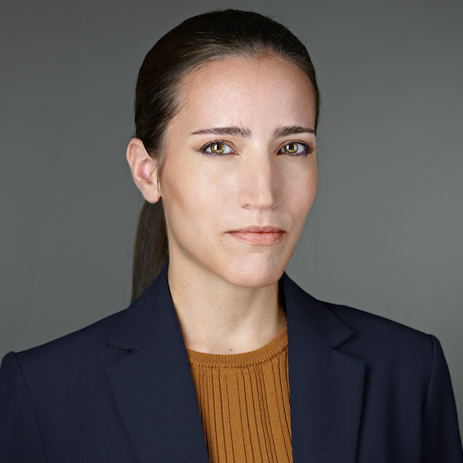
Assistant Professor of Genetics, Stanford University
A GPCR-Based Biochemical Input Layer for Cell Therapy: Spatial Control and Targeted Payload Delivery
Livnat Jerby studies dynamic, self organizing immune processes and engineers them as programmable mechanisms for disease treatment and prevention. Her lab integrates functional genomics, directed evolution, and rational design to reconfigure immunity across scales, from generating new proteins and receptors to cell functions and coordinated responses at the whole-body level. Her recent work demonstrated that GPCR-based metabolite sensing can be harnessed to mobilize therapeutic immune cells to solid tumors, identified RNA-based interventions that enhance immune clearance, developed optical genetic screens, and mapped tumor organization at unprecedented scales. Jerby has received major honors including awards from Chan Zuckerberg Biohub, Paul G. Allen, OCRA, Burroughs Wellcome Fund, Pershing Square Sohn, and the V Foundation.
Jerby Lab
Ranit Kedmi, PhD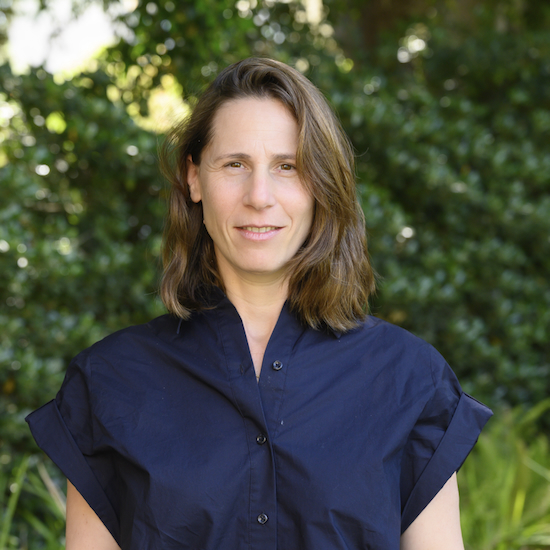
Group Leader, Department of Systems Immunology, Weizmann Institute of Science
Studying mechanisms of Immune Tolerance
Ranit Kedmi investigates how the immune system learns to tolerate food and gut microbes — and why this tolerance sometimes fails, leading to allergies and inflammatory bowel disease. Her work uncovered an immune cell population essential for initiating tolerance to gut microbes and revealed that food tolerance emerges through a multicellular network of dedicated cells. Kedmi trained in molecular biology and nanotechnology in Tel Aviv and moved into immunology for her postdoc with Dan Littman at NYU. She has received an ERC Starting Grant, the Peter and Patricia Gruber Award, and the Rising Star Award at the International Congress of Immunology.
Kedmi Lab
Lars Velten, PhD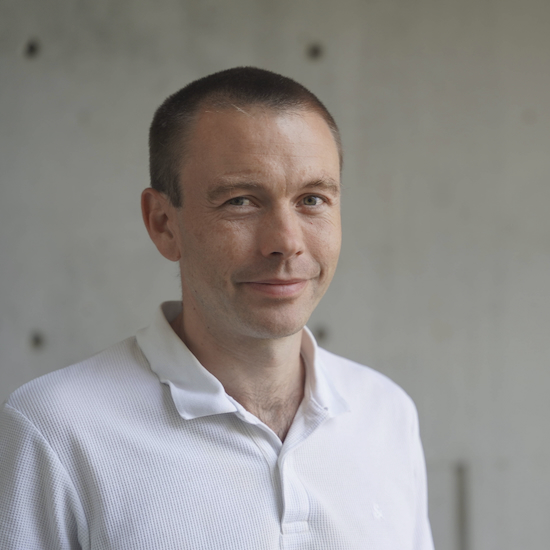
Group Leader, Centre for Genomic Regulation (CRG), Barcelona, The Barcelona Institute of Science and Technology (BIST)
Clonal stem cell dynamics as a functional and tunable determinant of human health
Lars Velten develops functional genomic technologies to study blood stem cell biology, aging, and leukemia. His lab recently developed EPI-Clone, a method that uses naturally occurring changes in DNA methylation to trace stem cell clones in human tissues, revealing extensive hidden clonal expansions in aging blood. Velten trained at Heidelberg University, the German Cancer Research Center, and EMBL, where he completed his PhD summa cum laude. He is an EMBO Young Investigator and ERC Starting Grant recipient.
Velten Lab
About the Vallee Scholar Awards
Established in 2013, the Vallee Scholar Awards program provides flexible, unrestricted funding to exceptional, independent, early-career investigators conducting basic biomedical research. Since its inception, the Vallee Foundation has invested over $23 million in bold and innovative scientists who represent the future of biomedical discovery.
Each year, six – exceptionally this year, seven – career development awards of $400,000 — to be spent over four years — are awarded to junior faculty whose research and professional growth will be advanced by participation in the program, which includes annual meetings during the grant period
For more information:
Contact Alexa M Mason, Executive Director at amason@thevalleefoundation.org