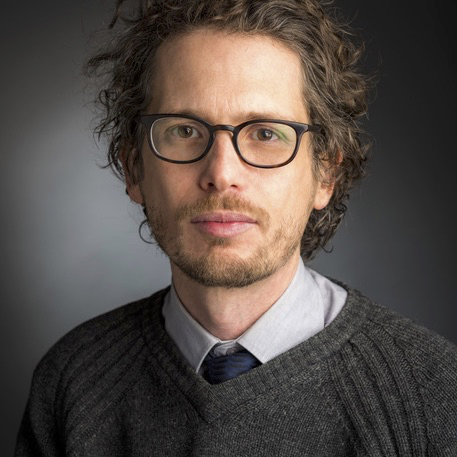
Dan Landau, MD, PhD
Cancer progression, relapse and resistance are the result of an evolutionary optimization process. Vast intra-tumoral diversity provides the critical substrate for cancer to evolve and adapt to the selective pressures provided by effective therapy. The Landau group studies how genetically and epigenetically distinct subpopulations compete and mold the genetic makeup of the malignancy. These studies demonstrate the need to integrate genetic, epigenetic and transcriptional information in the study of somatic evolution, and the ability to leverage gained insights towards therapeutic optimization.
Dan Landau, MD, PhD, is physician-scientist who integrates data science innovation with genomic technology development to unravel the basic principles of tumor evolution as a key to cancer cure. He gained his MD from Tel Aviv University and summa cum laude PhD in Cancer Biology from Paris Diderot University. He completed a Medicine residency and fellowship in Hematology and Medical Oncology at Yale University, as well as postdoctoral fellowship at Dana Farber Cancer Institute and the Broad Institute of Harvard and MIT. He now serves as the Bibliowicz Family Professor of Medicine, a professor of medicine and of systems and computational biomedicine. He also is a member of the Sandra and Edward Meyer Cancer Center and the Englander Institute for Precision Medicine at Weill Cornell; a core faculty member of the New York Genome Center; and an oncologist at NewYork-Presbyterian/Weill Cornell Medical Center. In August 2026 Landau was named the inaugural chair of the Department of Systems and Computational Biomedicine at Weill Cornell Medicine.
His studies have defined cancer genetic and epigenetic diversity and its contribution to cancer evolution. His work has received numerous awards including the Burroughs Wellcome Fund Career Award for Medical Scientists, Big Data to Knowledge (BD2K) NIH initiative award, SU2C Innovative Research Grant, the NIH Director’s New Innovator Award, and the 2026 ESMO Award for Translational Research.